
Transport & Logistics Insurance
The transport and logistics industry is the backbone of global trade, responsible for moving goods from point A to point B. However, this journey is fraught with risks. Companies in this sector face challenges such as vehicle accidents, cargo theft, supply chain disruptions, and liability for enviro
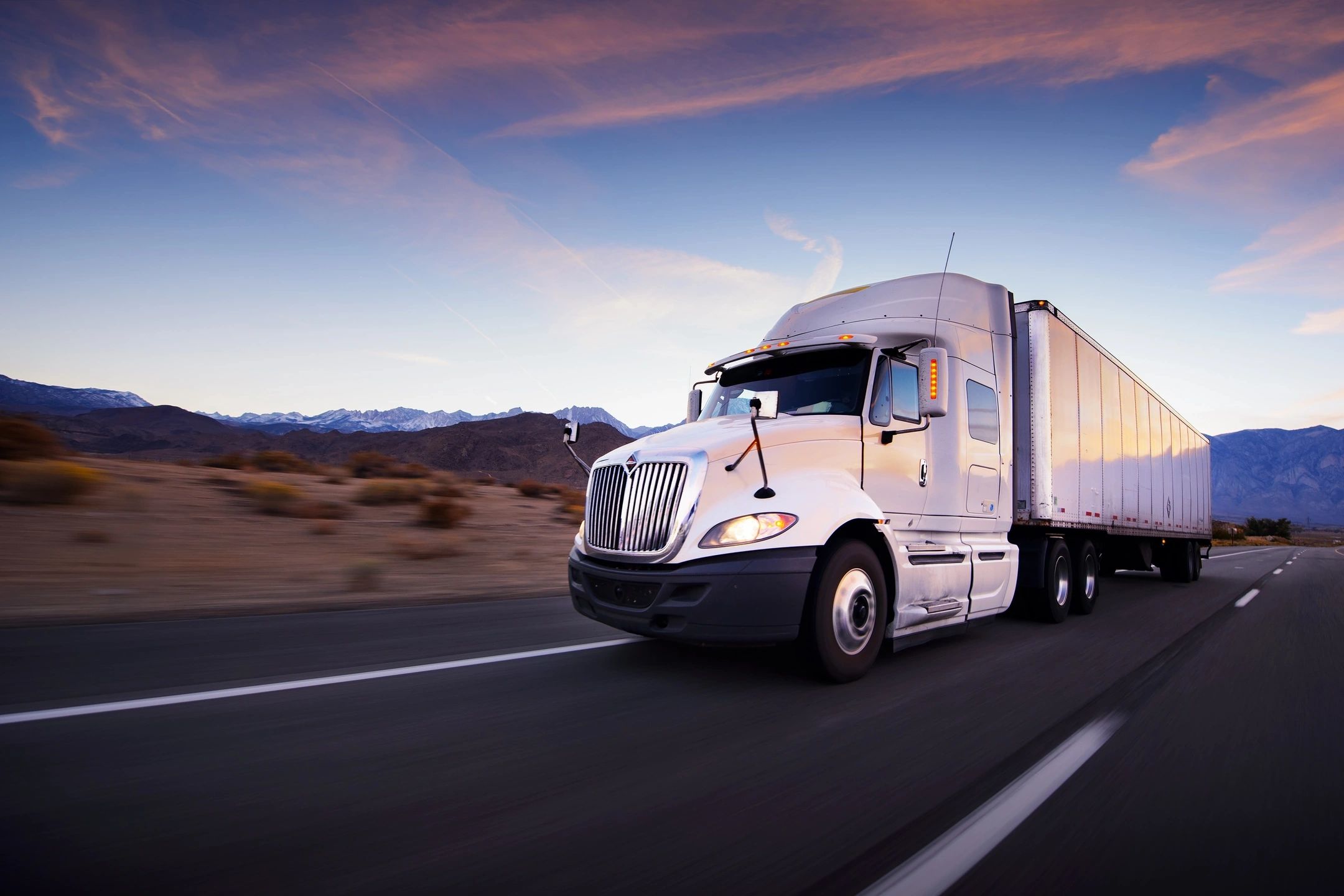
The transport and logistics industry is the backbone of global trade, responsible for moving goods from point A to point B. However, this journey is fraught with risks. Companies in this sector face challenges such as vehicle accidents, cargo theft, supply chain disruptions, and liability for environmental damage. Insurance is not just a regulatory requirement—it's a vital part of business continuity and resilience in this sector.
Why Transport and Logistics Companies Need Insurance:
Transport and logistics operations are complex and involve a high degree of coordination and management. The nature of the work means that assets are constantly in transit, susceptible to a variety of risks that stationary businesses don't face. Moreover, the liability for cargo and the potential for costly legal disputes make insurance an indispensable tool for managing risk.
Key Risks for Transport and Logistics:
- Vehicle AccidentsThe risk of collisions and resulting damage to vehicles and third-party property.
- Cargo Theft and DamageExposure to loss or damage of goods in transit due to theft, accidents, or environmental factors.
- Supply Chain DisruptionsVulnerability to delays and financial losses caused by disruptions in the supply chain.
- Liability ClaimsPotential legal claims for damage to cargo, environmental spills, or accidents causing third-party injury.
Essential Insurance Coverages:
- Motor Fleet InsuranceCovers the vehicles in your fleet against accidents, theft, and damage.
- Goods in Transit InsuranceProtects the goods you're transporting against loss, theft, or damage while in transit.
- Public Liability InsuranceProvides protection against claims of third-party injury or property damage caused by your operations.
- Employers' Liability InsuranceMandatory coverage that protects against claims from employees who suffer injury or illness as a result of their work.
Additional Insurance Considerations:
To ensure comprehensive protection, transport and logistics companies should also consider:
- Business Interruption Insurance: Compensates for lost income if your business cannot operate due to covered events like vehicle breakdowns or cargo delays.
- Marine Cargo Insurance: Essential for companies involved in shipping goods overseas, covering against losses at sea.
- Cyber Liability Insurance: Protects against risks associated with digital threats, which are increasingly relevant due to the reliance on logistics software and tracking systems.
- Environmental Liability Insurance: Shields against cleanup costs and damages resulting from environmental incidents like spills.
Frequently Asked Questions
How do I determine the right level of coverage for my transport and logistics business?
Evaluate the value of your assets, the nature of the goods you transport, and the specific risks your business faces. An insurance broker can assist in tailoring a policy that fits your unique needs.
What happens if my cargo is damaged during transit?
You should report the damage to your insurer immediately, providing all necessary documentation. Your Goods in Transit Insurance policy should outline the steps for filing a claim.
Can I get coverage for international transport?
Yes, Marine Cargo Insurance and specific international transport coverage options are available to protect your goods while they’re being shipped abroad.
Is there insurance that covers temporary storage of cargo?
Yes, some policies offer coverage for goods stored during transit. Discuss with your insurance provider to ensure this is included in your policy.
Updated
Speak directly with your broker
No call centres. No ticket queues. Warren Reid — senior broker, Gold Coast.
Commercial insurance services
- Aged Care Insurance
- Comprehensive Business Insurance in QLD
- Business Insurance (ISR / Material Damage)
- Commercial Motor / Fleet Insurance
- Commercial Property Insurance
- Contract Works Insurance
- Cyber Insurance
- Cyclone Insurance
- Fleet Insurance
- Goods in Transit Insurance
- Home & Contents Insurance
- Landlord Insurance
- Management Liability
- Manufacturing Insurance
- Marine Insurance
- Plant & Equipment Insurance
- Professional Indemnity
- Public & Products Liability
- Strata Title / Body Corporate Insurance
- Trade Credit Insurance
- Travel Insurance
- Wholesaler Insurance